 Skip to content

Traditional coffee preparation relies on ancestral techniques that have withstood the test of time. Turkish coffee, for instance, is one of the oldest and most iconic methods. Prepared in a small pot called a cezve, Turkish coffee is carefully boiled with sugar and sometimes spices like cardamom. This process creates a thick, gritty beverage whose unique texture and taste reflect a rich cultural tradition. Another traditional method, the French press, is revered for its simplicity and efficiency. Invented in the 19th century, it uses a cylindrical glass or metal carafe and a plunger with a metal mesh filter. Ground coffee and hot water are placed inside, and after a few minutes of brewing, the plunger is lowered to separate the grounds from the liquid. This method extracts a large amount of oils and sediments, resulting in a cup of coffee with a dense and pronounced flavor. Cold brew, while now popular, is also a traditional method. It involves steeping coarsely ground coffee in cold water for an extended period, typically between 12 and 24 hours. This method is not just a modern trend; it is rooted in the practices of many cultures for centuries. The result is a smooth, low-acid, and refreshing coffee, especially appreciated on hot days. Each of these traditional methods involves a precise and often ritualized set of steps, creating a coffee experience that goes beyond mere consumption. The preparation process is as important as the final result, often involving a personal and tactile connection with each step.
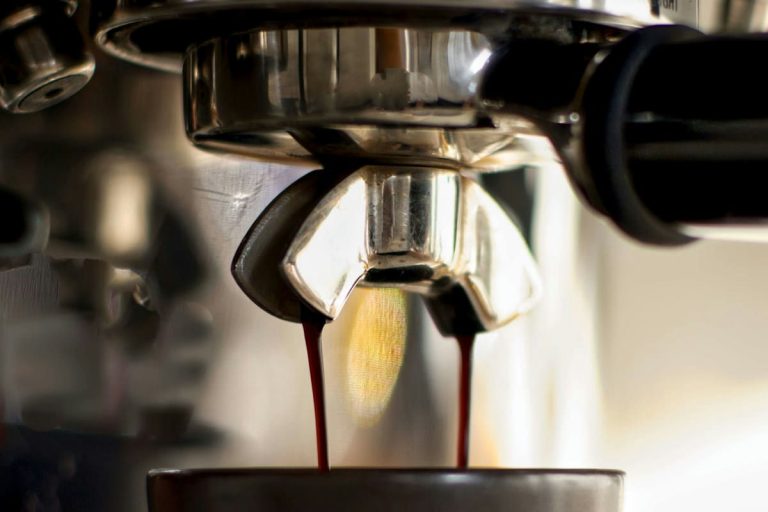
The modern era has seen significant developments in coffee preparation tools and techniques, revolutionizing how coffee enthusiasts approach their favorite beverage. Automatic espresso machines are a striking example. These sophisticated devices can grind the beans, measure the water and coffee, and extract a perfect espresso with the press of a button. They are designed to capture the coffee’s complexity with precision that excites professional baristas and discerning consumers. Innovative features like temperature regulation and extraction pressure are crucial for achieving consistent and superior quality. Advanced filtration methods, such as AeroPress and Chemex, represent another facet of new technology. The AeroPress, for example, uses air pressure to push water through the coffee grounds, producing a clear, smooth, and flavorful coffee in less than two minutes. The Chemex, with its elegant glass design and thick paper filter, allows a slow brewing process that avoids excess sediments and oils, offering a clean and aromatic cup of coffee. The impact of these innovations on coffee quality and flavors is undeniable. Technological advancements enable better control of crucial variables such as temperature, pressure, and brewing time, ensuring optimal aroma extraction. These developments also contribute to the growing popularity of specialty coffees, where each cup is seen as a work of art, requiring technical knowledge and a deep understanding of taste profiles. Furthermore, these modern methods offer undeniable convenience. Consumers can easily replicate a high-quality coffee experience at home, making specialty coffees accessible without the need for professional skills or complex equipment. This accessibility has transformed the daily lives of coffee lovers, allowing for more in-depth exploration and personalization of flavors according to individual preferences.
The eternal debate between traditional and modern coffee preparation methods hinges on various comparison criteria, each having its distinct advantages and drawbacks. Traditional methods like Turkish coffee, French press, and cold brew are often celebrated for their ability to produce rich and authentic flavors. These methods generally involve manual processes, allowing coffee aficionados to experience a deeper connection with their drink. The preparation ritual, while time-consuming, provides sensory satisfaction and a sense of accomplishment that automated modern methods can’t always offer. However, their artisanal nature often involves a steeper learning curve and a certain level of skill to optimize the taste. On the other hand, modern methods, supported by technological advances, offer convenience and consistency that have become essential for many consumers. Automatic espresso machines and other advanced filtration devices allow precise and rapid extraction, ensuring consistent quality without the potential fluctuations of manual methods. They are ideal for people with time constraints or those who prefer simplicity and reliability in their morning routine. The downside often lies in the higher cost associated with these state-of-the-art equipment and sometimes a distancing from the tangible and meditative aspect of preparation. The impact of these different methods on the coffee experience is also significant. While traditional techniques can intensify taste and offer a wider variety of textures, modern methods allow more precise exploration of specific flavor profiles through rigorous control of brewing variables. This undeniably influences current consumer preferences, often divided between the aesthetic of artisanal preparation and the practicality of high-tech solutions. In conclusion, it is clear that neither traditional nor modern methods alone have a monopoly on quality or enjoyment. The choice between tradition and modernity largely depends on individual priorities: authenticity and ritual versus convenience and precision. This duality enriches the coffee world, offering enthusiasts a variety of experiences tailored to their tastes and lifestyles.