 Skip to content

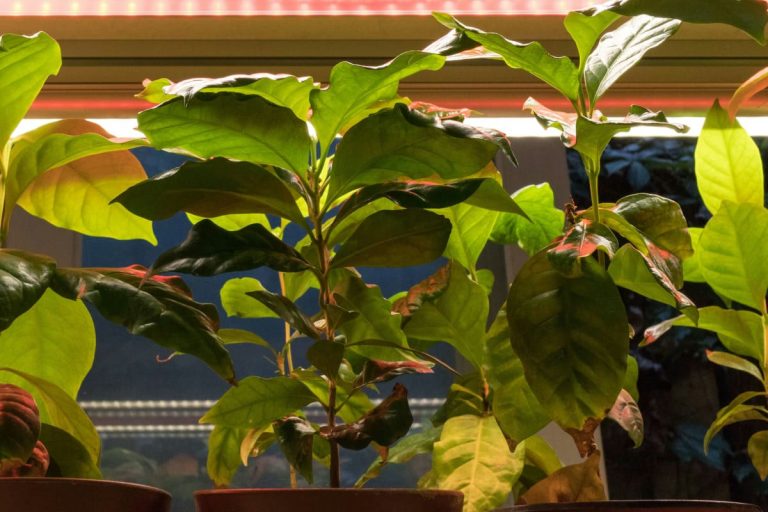
Biotechnology is opening up exciting new pathways for the future of coffee. Significant advancements have been made through genetic editing, particularly the CRISPR-Cas9 technique. This allows precise modification of specific genes to enhance coffee plants’ resistance to diseases like coffee rust. This disease, caused by the fungus Hemileia vastatrix, affects millions of hectares of plantations worldwide each year, leading to significant economic losses for producers. Furthermore, marker-assisted breeding has accelerated the development of new coffee varieties that are not only disease-resistant but also more adaptable to changing climate conditions. For example, the Breeding Coffee for Agroforestry Systems project, supported by the World Coffee Research group, develops varieties that can thrive under various shade covers, crucial for adapting to changes in rainfall and temperature patterns due to climate change. Beyond traditional varieties like arabica and robusta, researchers are also exploring little-known coffee species, such as Coffea stenophylla, which has shown increased tolerance to heat and drought. Such biotechnological innovations could not only strengthen the resilience of coffee crops but also contribute to the genetic diversification of production, a vital factor for securing the industry’s future in a rapidly changing world.
The integration of precision agriculture technologies is reshaping coffee cultivation practices. Drones, once associated with futuristic technologies, are now used to remotely monitor plantations. Equipped with multispectral cameras, they capture images that allow analysis of plant health, identification of areas affected by pests, and detection of water stress. This visual data helps farmers make informed decisions, optimizing resource use. IoT sensors, implanted in fields, collect real-time information on key parameters such as soil moisture levels, nutrients, and local climate conditions. This data is then transmitted to producers via digital platforms. Armed with this information, producers can precisely adjust drip irrigation systems, reducing water waste while ensuring coffee plants receive the optimal amount of water needed for their development. Additionally, advanced data analysis technology enables the creation of predictive models. These models help plan agricultural operations such as fertilization or harvesting based on weather forecasts and grain maturation status. With these tools, precision agriculture not only improves operational efficiency but also helps maximize productivity while minimizing environmental impacts.
The quest for more sustainable coffee production encourages the adoption of innovative ecological practices. Agroforestry, a method of growing coffee trees with other trees, is one of the most promising solutions. This system not only promotes biodiversity but also improves soil quality, retains water, and reduces carbon emissions. Initiatives like those led by Agroeco, an association working with producers to develop agroforestry models adapted to different regions, are essential for scaling these practices. Waste management, often overlooked in the coffee industry, is also benefiting from innovations. For example, coffee pulp, an abundant by-product, is now being valorized to produce biogas or enrich soil as compost. Start-ups like Bio-Bean are even converting coffee residues into biodegradable materials for various industrial uses. Meanwhile, research is focusing on reducing the carbon footprint in coffee processing. Solar energy and biomass boilers are increasingly used in washing stations and roasting plants to replace traditional fossil fuels. These improvements not only reduce emissions but also lower energy costs for producers, making coffee production more economically viable. In this era of ecological innovation, the sustainable transformation of coffee cultivation is gradually becoming a reality, not only to protect our planet but also to ensure the sustainability of this vital sector.