 Skip to content

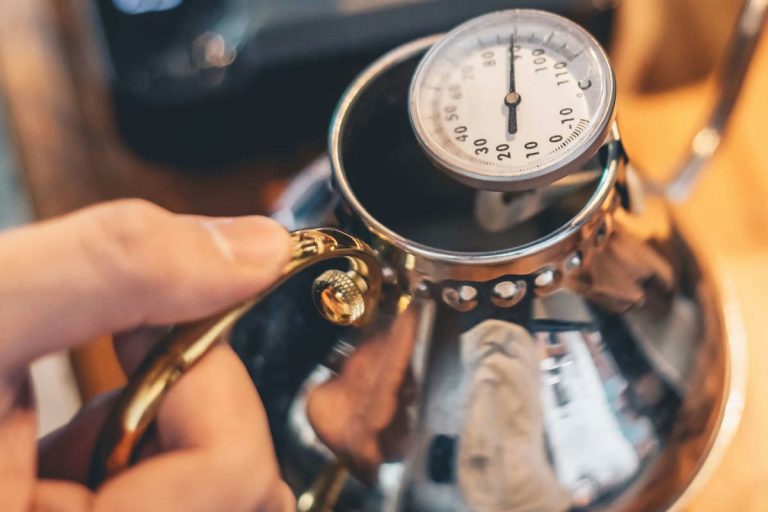
Coffee extraction is a complex process that depends on several variables to optimize the aromas and flavors of your favorite beverage. Among these variables, the water temperature plays a crucial role. To understand this better, let’s first review the fundamental principles of extraction. Ground coffee contains various soluble compounds, including acids, oils, sugars, and other aromatic elements. Water, as a solvent, extracts these compounds from the coffee to transfer them into your cup. If the water temperature is too low, the extraction will be incomplete, leaving your coffee under-extracted and flat. Conversely, too high a temperature can lead to over-extraction, making your coffee bitter and astringent. Generally, the ideal water temperature for coffee ranges between 90°C and 96°C. However, this range can vary depending on the chosen preparation method. High-temperature water accelerates chemical reactions, which can lead to the rapid release of certain volatile compounds, while cooler water tends to extract more slowly, favoring some more subtle aromas but risking omitting essential elements. It is important to note that the varieties of beans and types of roast also influence extraction. For example, a dark-roasted coffee may require a slightly lower water temperature to avoid excessive extraction of bitter compounds. Similarly, fresher beans will benefit from a slightly different temperature compared to older beans. Therefore, understanding how to adjust the water temperature according to various parameters will allow you to achieve a coffee that respects the subtleties of the intrinsic aromas and flavors of the beans used. This knowledge will set you on the path to exploring how different brewing methods interact with these ideal temperatures. Let’s now proceed to a more detailed exploration of optimal temperatures for various coffee brewing techniques.
Each coffee brewing method requires a unique approach to achieve the best possible aromatic profile. Let’s take a closer look at some of the most popular techniques: Chemex, espresso, and French press, discussing the ideal water temperatures for each. 1. Chemex: This manual filtration method is popular for its ability to produce a clear and clean coffee. For a Chemex, experts generally recommend a temperature of 93°C to 96°C. This range allows for balanced extraction, ensuring that oils and acids are well extracted without causing over-extraction. A temperature below 93°C may leave the coffee acidic or bland, while a temperature above 96°C may make the coffee bitter. 2. Espresso: Espresso is famous for its intensity and complexity. The water temperature for espresso must be strictly controlled, often around 90°C to 93°C. Too high a temperature can scorch the delicate beans, while too low a temperature can lead to insufficient extraction, leaving the espresso watery and too acidic. High-end espresso machines often allow for precise temperature control, which is crucial for extracting the best aromas. 3. French Press: Also known as the ‘French Press’, this method is appreciated for producing a full-bodied and rich coffee. The optimal temperature for the French press is generally lower, around 88°C to 92°C. The slower brewing and absence of a paper filter allow natural oils and fine coffee particles to fully infuse, necessitating a slightly lower temperature to avoid over-extraction. These ideal temperatures are not universal, as they can vary according to personal preferences and the specific characteristics of the coffee beans used. For example, some baristas prefer to experiment with slightly different temperatures to accentuate or minimize certain aromas. Let’s now move on to concrete experiments and personal discoveries that can help refine your approach.
To truly understand the impact of water temperature on coffee extraction, personal experiments are essential. By conducting various tests, you can discover what works best with your equipment, your coffee beans, and your taste preferences. Let’s take a practical example. Suppose you have an adjustable electric coffee maker. To test the impact of temperature, you can brew several cups using different water temperatures with the same amount of ground coffee and the same brewing time. Note the flavor nuances you detect in each cup, including acidity, sweetness, bitterness, and subtle aromas. Individual case studies show that even slight variations in water temperature can lead to significant differences in the final results. For example, a personal study revealed that a coffee brewed with water at 90°C had a more acidic and fruity profile, while a coffee brewed at 96°C was more bitter and full-bodied. By repeating these experiments with different varieties of beans and brewing methods, one can arrive at a fine understanding of what optimizes the desired characteristics. Besides temperature parameters, it is crucial to document other variables such as grind size, water-to-coffee ratio, and brewing time. All these variables interact with each other and affect the final extraction. Keeping a journal of your observations can help identify precise correlations and trends. For those looking to dive even deeper, investing in a precision thermometer to monitor water temperature can be beneficial. There are also workshops and online courses dedicated to the art of coffee extraction, allowing you to benefit from the expertise of experienced baristas. Ultimately, the best way to understand the impact of temperature on coffee extraction is to immerse yourself in constant experimentation. Compile your data, analyze your results, and refine your methods to achieve what suits your tastes best.