 Skip to content

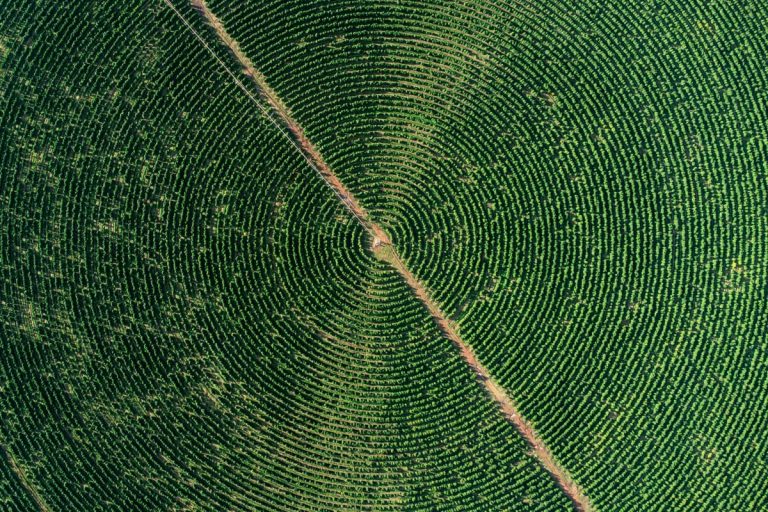
Coffee cultivation is an intensive agricultural activity that has exerted considerable pressure on the environment for decades. One of the main harmful effects of this production is soil degradation. Coffee plantations, often established on mountain slopes, are particularly vulnerable to erosion. The often excessive use of pesticides and chemical fertilizers also alters soil quality, making it less fertile in the long term. Added to this is massive deforestation to create plantation areas, which removes large areas of tropical forests essential for climate regulation and biodiversity preservation. Biodiversity also suffers from coffee monoculture. By removing natural forests and replacing them with monocultures, the habitat of many species is destroyed. This leads to a drastic reduction in local flora and fauna populations, with some species even facing extinction. Local ecosystems, which rely on biological diversity for resilience, are weakened by this landscape transformation. Environmental challenges associated with coffee cultivation also include excessive water consumption. Coffee production involves water-intensive processes, both for irrigation and grain processing. In regions where water is already a scarce resource, this can exacerbate water shortages and severely impact local communities and their livelihoods. In summary, coffee cultivation poses several major environmental challenges: soil degradation and erosion, deforestation, biodiversity loss, and excessive water consumption. In the face of these issues, reforestation appears as a potential solution to mitigate some of these impacts by rehabilitating ecosystems and promoting more sustainable agricultural practices.
Coffee companies are beginning to recognize the need to invest in reforestation initiatives to counterbalance the environmental effects of their production. Innovative reforestation projects are being developed by sector actors keen to reduce their ecological footprint. For example, Nespresso has launched the ‘Reviving Origins’ initiative, which includes reforestation programs in Ethiopia and Colombia to restore degraded landscapes and promote sustainably grown coffee. Similarly, Starbucks has partnered with Conservation International to plant trees in coffee-growing areas, thereby contributing to local ecosystem restoration and carbon sequestration. Non-governmental organizations (NGOs) also play a crucial role in these efforts. Rainforest Alliance, known for its sustainability certifications, supports several reforestation projects in coffee production sites, working closely with local producers to implement environmentally friendly agricultural practices. Similarly, the NGO Trees for the Future has established agroforestry systems in coffee plantations, combining coffee crops with various trees and plants to improve biodiversity and soil health. Coffee producer cooperatives, often composed of small farmers, actively participate in these reforestation projects. By adopting agroforestry methods, these cooperatives encourage the planting of trees around and among coffee plants, creating more resilient and diverse landscapes. These practices not only reduce soil erosion but also provide welcome shade to coffee plants, improving their health and productivity. Thus, reforestation initiatives in the coffee industry prove to be a promising response to the environmental challenges posed by coffee cultivation. They are implemented by a variety of actors, from large companies to NGOs and local cooperatives, each contributing to ecosystem restoration and the promotion of more sustainable agriculture.
Reforestation projects in coffee-producing regions benefit not only the environment; they also have significant positive impacts on local economies. Firstly, the restoration of soils eroded and depleted by intensive agricultural practices improves land fertility. This leads to higher yields and better coffee bean quality, increasing farmers’ incomes. In the long term, healthier and more resilient soils allow producers to diversify their crops, reducing their dependence on coffee and diversifying their sources of income. In parallel, reforestation initiatives generate new economic opportunities for local communities. Tree planting and maintenance create jobs in regions often marked by unemployment or precarious employment. These jobs often come with training programs, providing workers with valuable skills that can be transferred to other economic sectors. The involvement of coffee companies and NGOs in these projects also ensures a continuous flow of financial and technical support, thereby stimulating the local economy. The social impacts of reforestation are also notable. Improved soil quality and the environment in general contribute to the quality of life of rural communities. Healthier soils and ecosystems also mean cleaner water and reduced risk of natural disasters, such as landslides or floods, which can devastate farmers’ livelihoods. Reforestation also plays a role in promoting equity and social well-being. By including local communities in the planning and implementation of reforestation projects, these initiatives foster local ownership and empowerment of populations. This strengthens community cohesion and stimulates a sense of collective belonging and pride. By directly involving farmers and their families, these projects also contribute to environmental education and the sustainability of sustainable agricultural practices. In conclusion, beyond ecological benefits, reforestation in coffee-producing areas offers economic and social advantages that help improve the living conditions of local communities. By generating jobs, increasing income, and strengthening ecosystem resilience, these initiatives prove to be a powerful lever for sustainable development in coffee-producing regions.