 Skip to content

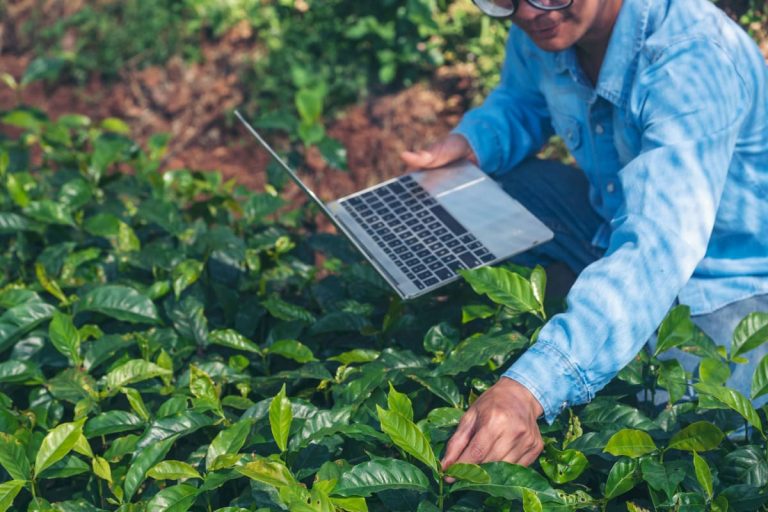
The coffee industry is undergoing a significant transformation thanks to the integration of biotechnology. Faced with increasing global demand, coffee production is under unprecedented pressure. Biotechnology offers innovative solutions to complex problems. By improving cultivation methods and optimizing the quality of beans, it offers new and promising perspectives. The impact of biotechnology is particularly crucial in contexts of climate change and changing weather conditions. These changes heavily affect traditional producing regions, threatening yields and sometimes even the viability of crops. Biotechnology makes it possible to adapt plantations to new environmental realities. It also contributes to the diversification of coffee varieties, making crops less vulnerable to diseases and pests. Moreover, biotechnology provides tools to preserve local biodiversity while increasing productivity. Through methods such as in vitro culture and vegetative propagation, it becomes possible to conserve and enhance certain indigenous coffee varieties while integrating them into commercial productions. This balanced approach between technology and environmental respect meets a dual need: increasing supply while preserving natural resources. Ultimately, biotechnology positions itself as an indispensable ally for the coffee industry. It provides practical solutions to challenges posed by a rapidly changing world while ensuring sustainable and environmentally friendly production. Thanks to these advances, the coffee sector is better equipped to meet the demands of the global market without compromising its ecological and economic integrity.
Modern biotechnological techniques represent a significant transformation factor for optimizing coffee cultivation. Among them, genetic selection stands out as one of the most effective. It allows the development of coffee plant varieties resilient to difficult climatic conditions and common diseases such as coffee rust. This selective approach facilitates the emergence of more robust plantations, less dependent on the use of chemicals. Gene modification is another promising technique. Thanks to advances in genetic engineering, it is possible to specifically target genes responsible for productivity and bean quality. Researchers strive to create coffee plants capable of producing better quality beans while increasing yield per hectare. This could revolutionize the industry by offering more aromatic and flavorful coffees, meeting the expectations of the most demanding consumers. The use of biotechnology does not stop at the direct modification of plants. Tissue cultures, for example, allow the rapid reproduction of selected coffee varieties. This method ensures genetic uniformity and rapid multiplication of plants, a crucial element for effectively meeting market demand. Moreover, it stabilizes coffee supply while limiting the need for additional land, thus preserving local ecosystems. In conclusion, these biotechnological techniques offer a range of powerful tools for coffee cultivation. They promote adaptation to current environmental challenges while optimizing production and the quality of the final product. With the continuous support of scientific research, these innovations are set to improve and expand, ensuring a more stable and prosperous future for the global coffee industry.
The integration of biotechnology in the coffee industry is promising, but it is not without challenges. Firstly, public acceptance of genetically modified crops remains a sensitive topic. Concerns about food safety and environmental impacts require transparent communication and rigorous studies to gain the trust of consumers and policymakers. Additionally, the initial cost of biotechnological technologies can pose a barrier for small producers, who make up a significant part of the coffee sector. To overcome this barrier, training and financial support initiatives are essential. They would democratize access to these technologies and ensure an equitable transition to a more advanced mode of production. Regulation is another major issue. Biotechnology legislation varies significantly from country to country, creating uncertainty for producers and researchers. A harmonized regulatory framework could facilitate the adoption of these innovative practices and encourage investment in research and development. Despite these challenges, future prospects remain motivating. In the long term, the judicious application of biotechnology could increase crop resilience to climate change and reduce dependence on chemical inputs. This would have a positive impact on both the environment and the economy of producing regions. For consumers, this means access to a more diverse and higher quality coffee range while ensuring sustainable agricultural practices. With continuous development, biotechnology has the potential to meet the expectations of various stakeholders while protecting biodiversity and respecting ecosystems. The coffee industry could thus evolve towards a more sustainable and innovative model, catering to the needs of the 21st century.