 Skip to content

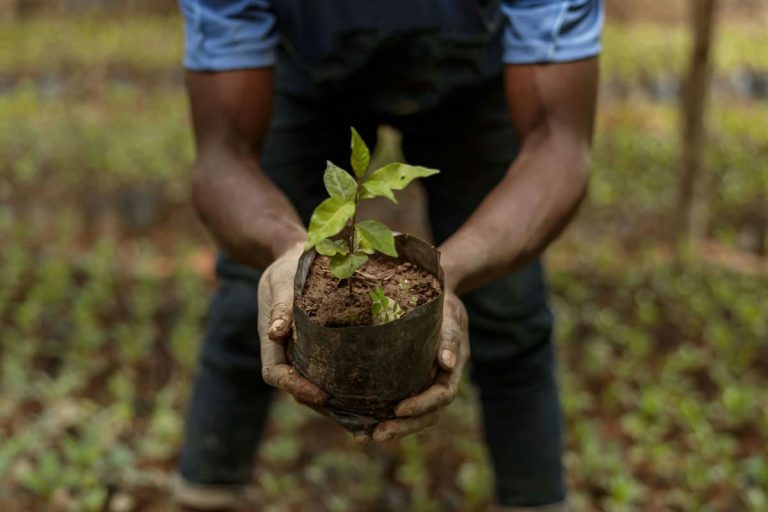
The quality of seeds is fundamental to establishing a successful coffee seedling nursery. Seed selection begins with the choice of ripe, well-formed coffee fruits free from apparent defects. It is recommended to obtain seeds from certified sources, preferably operators or specialized centers that guarantee good traceability and varieties suited to local conditions. After harvest, coffee fruits should be pulped to extract the seeds to be used as sowing seeds. These seeds must be carefully washed to remove any residual pulp and then dried in the shade to prevent deterioration from direct sunlight. A relative humidity of about 12% is ideal for storing seeds before sowing. Seed preparation includes an essential pre-germination step to increase success rates. Soaking seeds in warm water for 24 to 48 hours encourages embryonic awakening. This procedure simulates natural conditions, preparing the seeds to germinate more uniformly. After soaking, the seeds are planted in germination bags, typically made of sterilized potting soil to reduce the risk of diseases. A good germination medium must be light, airy, and have excellent water-holding capacity. Common mixes include a combination of topsoil, sand, and organic matter such as compost. Once the seeds are sown, they should be covered with a thin layer of soil and watered regularly, ensuring the soil remains moist but not waterlogged. This critical germination period requires constant monitoring to control environmental parameters related to temperature and humidity.
The success of growing young coffee plants depends on a nursery environment recreating the necessary conditions for their optimal development. Nursery soil must be rich in nutrients, well-drained, and free from pathogens. Sterilized soil is essential to reduce the risk of fungal diseases. Once germinated, the young plants are transplanted into polyethylene nursery bags filled with this substrate. Irrigation is a key component of nursery maintenance. Wise water management is crucial, as young plants are highly sensitive to drought, but also to excess water leading to root asphyxiation. Installing drip irrigation systems allows precise and uniform water management. Watering should maintain constant moisture without oversaturation. Two other essential aspects are light and weather protection. Young plants require an adequate amount of light for photosynthesis, but direct sunlight can be too intense. Using shade nets regulates solar exposure and maintains a stable temperature. Shade nets can be adjusted as needed, providing protection from strong winds and heavy rain. For fertilization, it is recommended to use organic fertilizers or fertilizers specific to the needs of young plants. Regular but moderate application promotes robust growth. Additionally, weeding is necessary to avoid competition for nutrients. Manual weeding is often sufficient, avoiding the use of chemical herbicides. Regular inspections are crucial to detect early signs of diseases or pests. Young coffee plants are susceptible to attacks from various pests like nematodes and fungal attacks like mildew. Preferably, biological treatments should be considered to efficiently control these threats.
Transplanting young coffee plants into the field is a delicate phase that requires meticulous preparation to ensure the survival and healthy growth of the seedlings. Before transfer, an acclimatization period is essential. This step involves gradually exposing the young plants to the field’s outdoor conditions, thus reducing transplant shock. A few weeks before moving, plants should be exposed to light and temperature conditions similar to the field while gradually reducing irrigation. Young plants must reach an optimal height of about 20-30 cm with a well-developed root system, ensuring good establishment once transplanted. Plant hardening is a crucial tool in this preparation phase. This process includes gradually exposing plants to less controlled conditions, allowing them to strengthen their resistance to external climatic conditions. Transplantation should ideally be carried out at the beginning of the rainy season to ensure sufficient water availability. During planting, it is essential to prepare the holes in advance with sufficient depth and width to accommodate the root system without constraint. A mixture of topsoil and compost is recommended for filling the holes, promoting rapid and strong rooting. The transfer must be done with great care to avoid damaging the roots. Using appropriate tools to extract seedlings from their nursery bags maintains the integrity of the root system. Once planted, it is advisable to create a basin around each plant to facilitate initial watering. To minimize water stress, it is recommended to water abundantly after transplantation. Young plant protectors or organic mulches can be used to retain soil moisture and reduce weed competitiveness. Careful observation of the plants during the first few weeks post-transplantation allows for rapid intervention in case of signs of stress or diseases. By following these rigorous practices, the success rates and robustness of transplanted young coffee plants can be significantly improved, ensuring a more stable and productive future yield.