 Skip to content

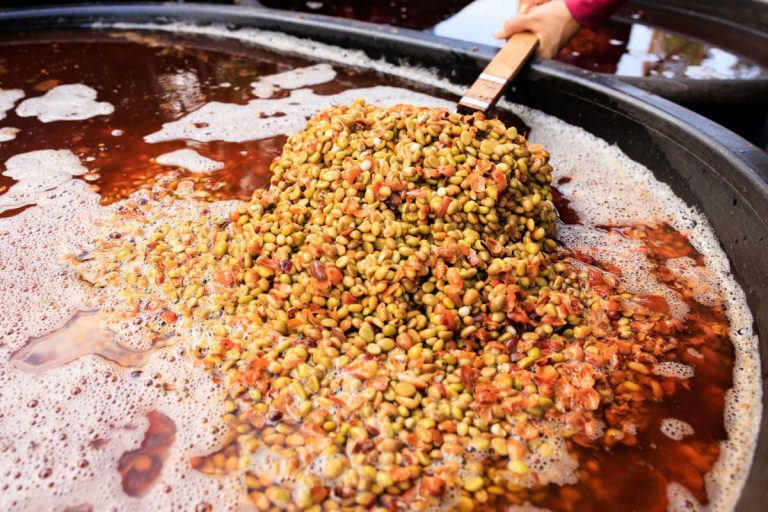
The coffee bean fermentation process is a crucial step in producing high-quality coffee. It occurs after the coffee cherries are harvested and before the beans are dried. Fermentation is a biochemical reaction where microorganisms, notably bacteria and yeasts, break down the organic substances present in the coffee cherries. This process plays a fundamental role in developing the characteristic flavors and aromas of coffee. The treatment begins with the pulping of cherries, an operation that involves separating the pulp from the beans. The pulped beans are then placed in vats or containers for fermentation to take place. The duration of this step varies depending on environmental conditions, the equipment used, and the aromatic results desired by the producer. Generally, fermentation can last between 12 and 72 hours. The enzymes naturally present in the coffee pulp, as well as indigenous microorganisms, begin to break down the sugars and proteins of the mucilage layer covering the coffee beans. This enzymatic and microbial activity not only alters the chemical composition of the beans but also impacts the structure of their cell walls, leading to a variation in the volatile compounds responsible for aromas. Ambient temperature and humidity also play a key role in the efficiency and speed of fermentation. Coffee producers must closely monitor these parameters to avoid excessive or insufficient fermentation. Excessive fermentation can lead to taste defects, such as acetic or vinegary notes, caused by the overinteraction of microorganisms with the bean compounds. Conversely, insufficient fermentation can prevent the development of complex aromas, resulting in coffee with a flat or bland taste. Therefore, mastering the fermentation process requires a combination of traditional know-how and scientific control. A precise understanding of the interactions between microorganisms and the chemical compounds of the beans allows for the optimization of this crucial step, ensuring the final organoleptic quality of the coffee.
There are mainly three types of coffee bean fermentation: wet fermentation, dry fermentation, and anaerobic fermentation. Each of these methods has varied impacts on the aromatic and taste profile of the coffee. Wet fermentation: In this process, the pulped coffee beans are placed in water-filled tanks to facilitate the breakdown of the mucilage layer. Wet fermentation is commonly used in Central America and Africa. This method tends to produce coffees with more pronounced acidity and clear fruity notes. The taste profile of wet-fermented coffee can include floral aromas and citrus nuances, often accompanied by remarkable clarity and cleanliness in the cup. Dry fermentation: Unlike wet fermentation, this method does not involve direct contact with water. After pulping, the beans are placed directly on drying tables or patios. They are turned regularly to ensure even fermentation. Dry fermentation is more commonly practiced in Brazil and Ethiopia. It develops coffees with a more robust body, often described as sweeter and more complex, with chocolate, dried fruit, and red berry aromas. Anaerobic fermentation: Relatively new to the coffee world, anaerobic fermentation is carried out in airtight tanks, avoiding any contact with air. This process, controlled by the sealed conditions, allows fermentation at very low oxygen levels, promoting the development of specific yeasts and bacteria. Coffees resulting from anaerobic fermentation can offer very distinctive aromatic profiles, with intense floral notes, exotic fruits, and increased complexity. These coffees are often sought after for their uniqueness and high sensory appreciation potential. Each type of fermentation requires meticulous management of environmental variables and time. For example, a producer choosing wet fermentation must carefully monitor water levels and tank temperature, while a producer opting for dry fermentation must manage the beans’ exposure to sun and air to avoid uncontrolled degradation. In conclusion, the choice of fermentation type is not arbitrary. It must be made consistently with the coffee varieties grown, climatic conditions, and market preferences. The diversity of fermentation types allows producers to develop varied taste profiles, meeting the specific expectations of coffee consumers worldwide.
The fermentation of coffee beans is a decisive step for the final aromatic profile of the coffee. It directly influences the volatile aromas and flavors perceived in the cup, making this step crucial for producers and roasters seeking optimal quality. The aromatic compounds formed during fermentation include esters, alcohols, organic acids, and phenols, among others. These compounds are responsible for the various aromatic nuances found in coffee – ranging from fruity, floral notes to spicy and chocolaty nuances. The richness and complexity of these aromas depend on the synergy between fermenting microorganisms and the chemical components of the coffee beans. Well-controlled fermentation can amplify positive aromas while minimizing defects. For example, fermentation that favors the development of certain yeasts can accentuate tropical fruit and citrus notes, while fermentation under specific bacterial control can enhance cocoa and hazelnut aromas. Conversely, poor management of fermentation conditions can introduce undesirable aromas, such as vinegary or chemical notes, resulting in a deviating aromatic profile. The impact of fermentation on the aromatic profile does not stop there. Subsequent drying and roasting conditions will also interact with the compounds formed during fermentation, further transforming and complexifying the coffee’s aromatic bouquet. Precisely adjusted fermentation allows for the fixation of aromatic precursors that, with suitable drying and roasting, reveal their full potential during beverage preparation. Beyond purely chemical and microbiological aspects, fermentation also has an artisanal and empirical dimension. Coffee producers, through their expertise and sensitivity, constantly adjust and refine their methods to achieve the desired characteristics in coffee beans. This delicate alchemy between science and traditional know-how contributes to the unique identity of each coffee. In conclusion, the fermentation of coffee beans is not just a technical step in the production chain. It is a fundamental process that shapes the aromatic character of coffee, directly influencing its range of flavors and aromas. For the consumer, understanding the importance of fermentation allows for greater appreciation of the diversity and richness of coffee, revealing all the work and expertise behind each cup.